
One of Portugal's most widely planted red grapes, known by different names across the country — Castelão in Setúbal and the south, Periquita as a wine brand, João de Santarém in Tejo. The variety produces medium-bodied, accessible reds with red-fruit and herbal notes, gentle tannin and good acidity. It performs best on the sandy soils of Setúbal Peninsula, where it yields its most refined wines. In hot years it can deliver remarkable concentration without losing freshness.
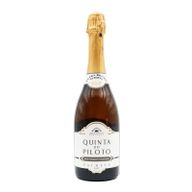
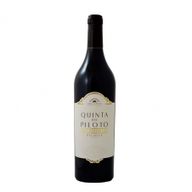
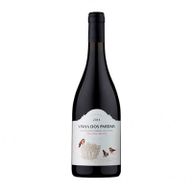
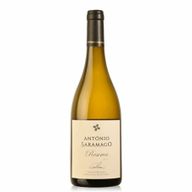
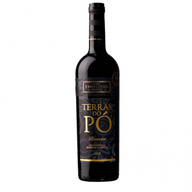
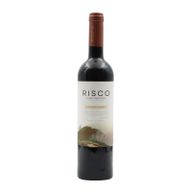
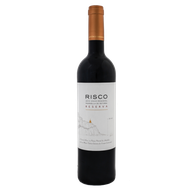
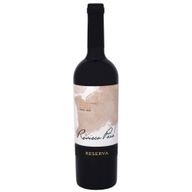
Wine Radar compares prices for wines made from Castelão across Portuguese online retailers — 1238 in the catalogue.
Castelão wines on Wine Radar come mainly from Península de Setúbal, Alentejo, Lisboa, Tejo, Bairrada.
One of Portugal's most widely planted red grapes, known by different names across the country — Castelão in Setúbal and the south, Periquita as a wine brand, João de Santarém in Tejo. The variety produces medium-bodied, accessible reds with red-fruit and herbal notes, gentle tannin and good acidity. It performs best…
We use cookies for analytics to improve your experience. By continuing to use this site, you accept our use of cookies.


