Madeira's workhorse red grape, accounting for around 80% of the island's vineyards. Tinta Negra is enormously versatile — it can convincingly mimic the styles traditionally made from the four noble varieties (Sercial, Verdelho, Bual, Malmsey) by adjusting harvest dates and fortification timing. Historically used for inexpensive Madeira, the variety is increasingly seen in single-variety, vintage and Colheita bottlings that demonstrate its serious quality potential.
Tinta Negra wines with a current price on Wine Radar range from 4.13 € to 1549.49 €. We compare 180 of them; 20 cost under 10.00 €.
Most Tinta Negra wines on Wine Radar are fortified (51%), red (28%) and rosé (13%).
The producers with the most Tinta Negra wines on Wine Radar are Pereira D'Oliveiras, Vinhos Barbeito, João Clara, H. M. Borges and Madeira Wine Company.
The most affordable Tinta Negra wines right now start at 4.13 €: As Claras, Madeira Barbeito Meio Seco 3 Anos and Atlantis Tinta Negra.
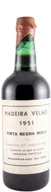
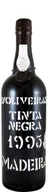
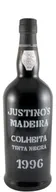
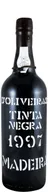
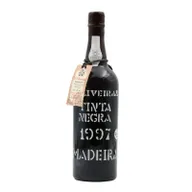
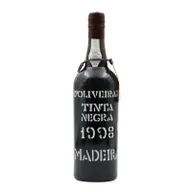

Wine Radar compares prices for wines made from Tinta Negra across Portuguese online retailers — 224 in the catalogue.
Tinta Negra wines on Wine Radar come mainly from Madeira, Algarve, Açores, Lisboa, Alentejo.
Madeira's workhorse red grape, accounting for around 80% of the island's vineyards. Tinta Negra is enormously versatile — it can convincingly mimic the styles traditionally made from the four noble varieties (Sercial, Verdelho, Bual, Malmsey) by adjusting harvest dates and fortification timing. Historically used for…
We use cookies for analytics to improve your experience. By continuing to use this site, you accept our use of cookies.